


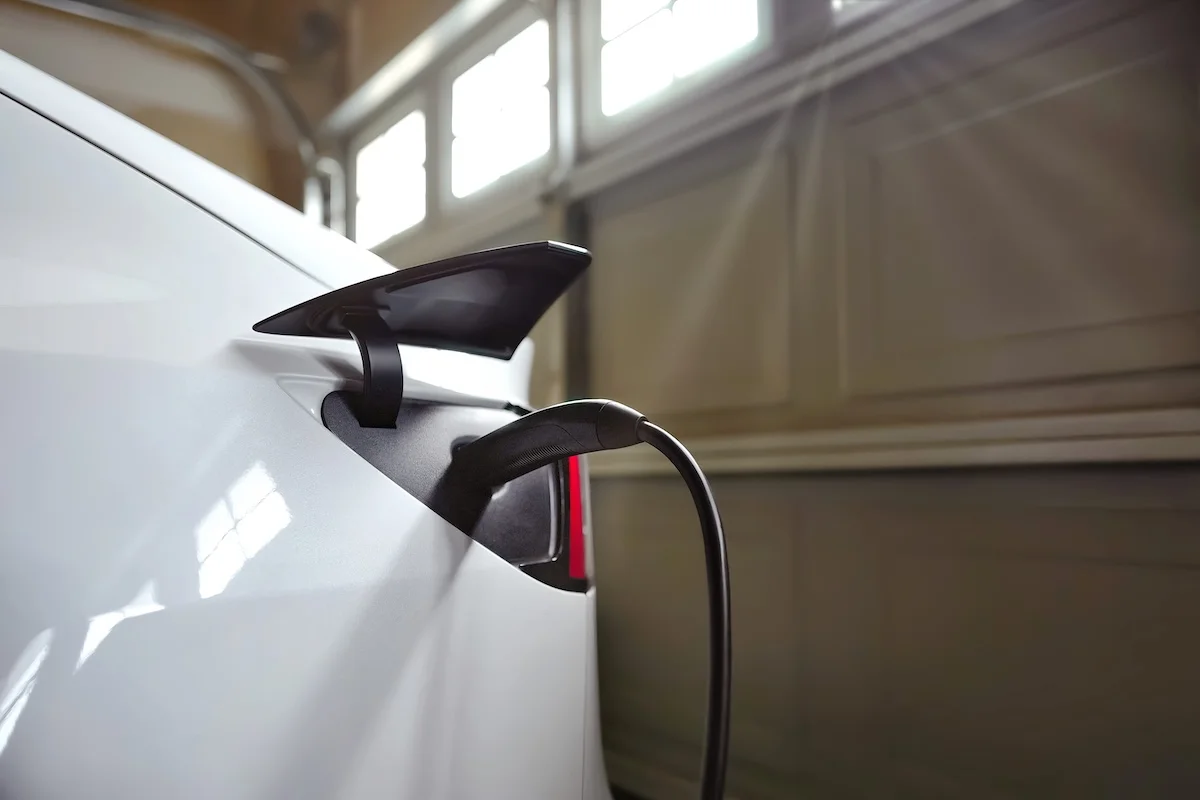
If you’ve bought an electric vehicle, or you’re thinking about it, one of the first practical questions is how you’ll charge it. Public chargers are handy on the road, but most EV owners do the bulk of their charging at home, overnight, in their own garage or driveway. It’s cheaper, more convenient, and it means you leave every morning with a full battery. That raises the question we hear from Tarpon Springs and Tampa Bay homeowners all the time: how much does it actually cost to install an EV charger at home?
The honest answer is that it depends. Two homes can have very different price tags for what looks like the same job. This guide breaks down what drives the cost, what you can expect to pay in general terms, and how to avoid surprises.
Level 1 vs. Level 2: Which One Are We Pricing?
There are two types of home charging, and the difference matters for both cost and convenience.
Level 1 charging uses a standard 120-volt household outlet. It’s slow, adding only a few miles of range per hour, which may be fine for a plug-in hybrid or a driver with a very short commute. It requires no special equipment, but it often isn’t enough for a fully electric vehicle.
Level 2 charging uses a 240-volt circuit, the same kind of power used by an electric dryer or oven. It’s several times faster than Level 1 and can typically recharge most EVs overnight. This is what most EV owners choose, and it’s what we’ll focus on here. It’s also the type that requires a licensed electrician.

The Short Answer: A Typical Price Range
Prices vary by region, equipment, and the condition of your home’s electrical system, so any number should be treated as a ballpark rather than a quote. As a general guide, many homeowners see a total installed cost for a Level 2 charger that falls somewhere in the range of roughly one thousand to a few thousand dollars.
- Simple installations, where the charger goes near the panel with a short wire run, tend to land at the lower end.
- Complex installations, with long wire runs, panel upgrades, trenching, or special requirements, can climb well beyond that.
The only way to know what your project will cost is to have a licensed electrician look at your home. A good electrician will give you a clear written estimate before any work begins.
What Goes Into the Cost to Install an EV Charger
Your total price is usually made up of several pieces. Understanding each one helps you compare estimates fairly.
1. The Charger Itself
Level 2 chargers, sometimes called EVSE (electric vehicle supply equipment), come in a wide range of prices. Basic models are more affordable, while premium units add features like Wi-Fi connectivity, app control, scheduled charging, energy tracking, and higher power output. Some vehicle manufacturers sell their own branded chargers as well.
A more expensive charger isn’t automatically better for you. The right choice depends on your vehicle, your charging habits, and the features you’ll actually use.
2. Labor and Installation
A licensed electrician’s time is a core part of the cost. The job generally includes planning the circuit, mounting the unit, running wire from your panel, making the connections, testing the system, and confirming that everything works safely. Licensed electricians know the requirements for continuous-load circuits like EV chargers, which run at high power for hours at a time and must be installed correctly.
3. Distance From Your Electrical Panel
This is one of the biggest variables. The farther your charger is from your panel, the more wire and labor it takes to connect them. A garage that shares a wall with the panel is a very different job from a detached garage or a driveway charger on the opposite side of the house.
If the wire has to travel through finished walls, across an attic, or through a long exterior run, expect the price to rise accordingly.
4. Your Panel’s Capacity
A Level 2 charger needs a dedicated circuit, and it draws a lot of power. If your panel already has plenty of capacity and open breaker slots, adding a circuit may be straightforward. If your panel is older, nearly full, or undersized, you may need an upgrade before the charger can be installed safely.
This is one of the most common surprises homeowners run into, which is why it’s smart to have your panel evaluated first. An electrical panel upgrade is a larger investment than the charger itself, but it also brings lasting benefits, including room for future needs like a pool, a generator, or a second EV.
5. Permits and Inspections
Most EV charger installations require an electrical permit, and many require an inspection once the work is complete. Permit fees vary by jurisdiction. Working with a licensed electrician means the permitting process is handled properly, which helps protect your safety, your insurance coverage, and your home’s resale value.
6. Indoor vs. Outdoor Installation
Garage installations are usually the simplest. If you want a charger outside, on an exterior wall, at a carport, or on a post by the driveway, the equipment and wiring have to be rated for outdoor use. That may add materials, conduit, and labor. In Florida, weather-rated equipment is especially important given the heat, humidity, and heavy rain.
7. Trenching and Special Conditions
If your charger needs to be placed away from the house, for example at a detached garage, an RV pad, or a far corner of the property, the wiring may need to be run underground. Trenching adds labor and complexity, and conditions like landscaping, driveways, or existing utilities can raise costs further.
Costs People Forget to Plan For
Beyond the main line items, here are a few things worth asking about up front:
- Panel or service upgrades if your electrical system can’t support the new load
- Surge protection to help protect both your charger and your vehicle’s sensitive electronics, particularly valuable in a lightning-prone state like Florida
- Future-proofing, like running a circuit sized for a faster charger or a second vehicle
None of these are required in every case, but a good electrician will explain which ones apply to you.
Incentives and Rebates
Incentives can change the real cost of a charger, but they change often. In the past, a federal tax credit helped offset the cost of home charging equipment, and that program has been scheduled to end, so it’s important not to assume it’s still available. Some utilities, state programs, and local governments have offered their own rebates or special EV rates at various times.
Before you buy, check with your electric utility and consult a tax professional about what applies to you. We can’t make promises about incentives, but it’s always worth asking.
Why Hiring a Licensed Electrician Matters
It can be tempting to look for the cheapest option, but when you need install an EV charger, it isn’t the place to cut corners. These circuits carry a high, sustained load for hours at a time. Poor connections, undersized wiring, or the wrong breaker can create heat, and heat is a leading cause of electrical fires.
A licensed electrician helps you:
- Choose the right circuit size for your charger and vehicle
- Install everything to current code, with the required permits and inspections
- Protect your home by confirming your panel and wiring can handle the load
- Avoid insurance or resale problems that can come from unpermitted work
If a bid seems far below the others, ask what’s left out.
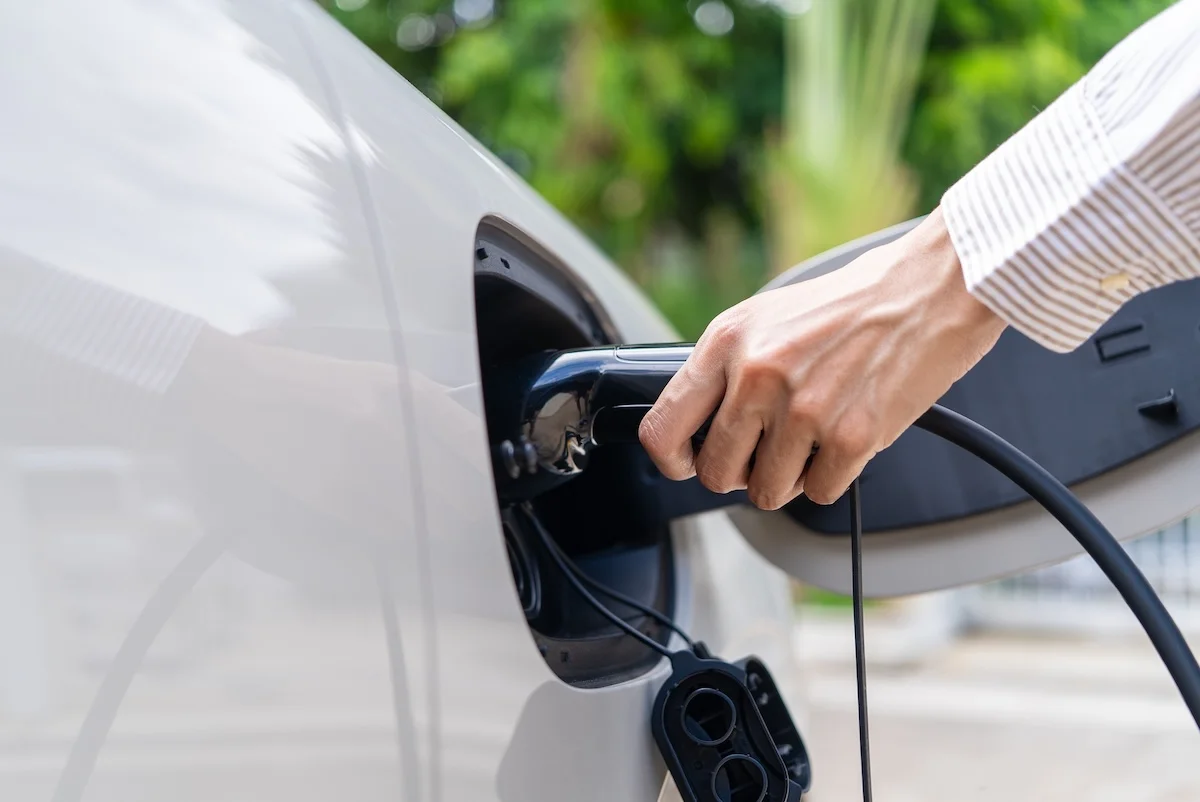
How to Get an Accurate Estimate
To get a reliable price, an electrician needs to see your home. During an evaluation, they’ll typically:
- Look at your electrical panel, its capacity, and available space
- Measure the distance from the panel to your preferred charger location
- Discuss your vehicle, daily mileage, and charging habits
- Talk through charger options and features
- Identify any upgrades, permits, or special conditions
- Provide a clear, itemized, written estimate
Come prepared with your vehicle, your preferred charger location, and any plans like a pool, generator, or second EV, so the system is planned once.
Is a Home EV Charger Worth It?
For most EV owners, yes. Charging at home is generally more convenient than visiting public chargers, and for many drivers it’s also cheaper per mile. You wake up to a full battery, avoid waiting in line, and never have to plan your day around a charging stop.
Home charging may also add to your home’s appeal, as more buyers shop with EVs in mind. For more background on how home charging works, the U.S. Department of Energy’s Alternative Fuels Data Center is a helpful public resource.
Get a Straight Answer on the Cost to Install an EV Charger in Tarpon Springs
At Veterans Electric, we can install an EV charger for all major electric vehicle brands, giving you faster, safer charging right in your own garage. Our licensed electricians evaluate your home, explain your options plainly, and give you a clear, upfront estimate with no surprise fees.
Learn more about our EV charger installation services, or call us at (727) 387-8387 to schedule a free, no-obligation estimate. We proudly serve Tarpon Springs and the greater Tampa Bay area, and we’re available 24/7.


