


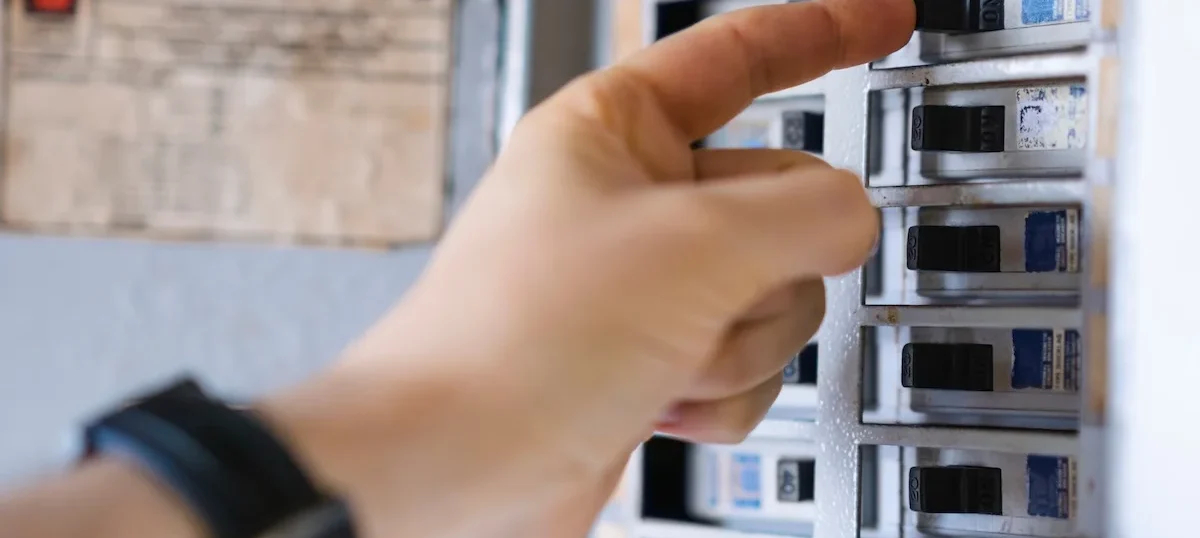
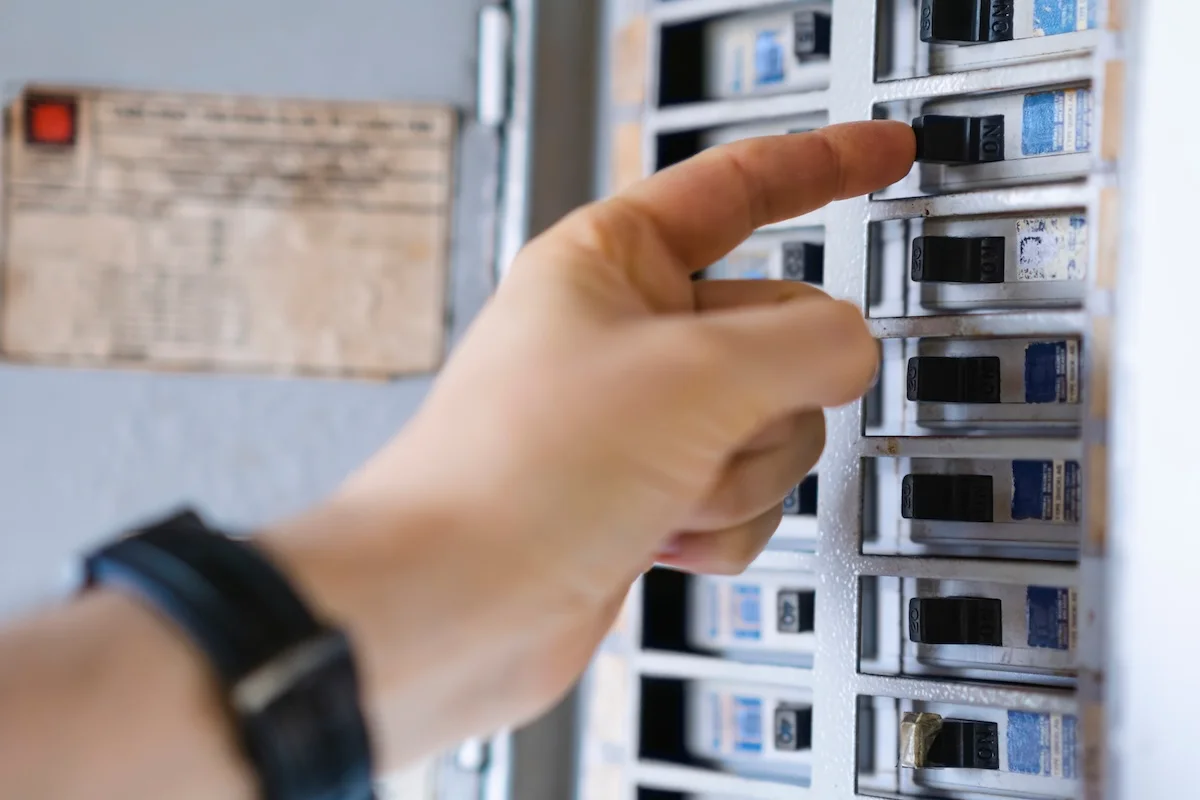
Your electrical panel does a lot of work and asks for very little attention. It sits in a garage, closet, or utility room, quietly directing power to every light, outlet, and appliance in your home. Because it rarely gives you a reason to think about it, many homeowners have no idea how old their panel is, what it’s rated for, or whether it can keep up with the way they live today.
That’s a problem, especially in Tarpon Springs and across Tampa Bay, where plenty of homes were built decades ago. A panel that was perfectly reasonable in 1975 can struggle under the demands of a modern household. Central air, smart devices, home offices, and electric vehicles all contribute.
Here are seven warning signs that your electrical panel may be outdated, and what to do if you recognize them.
1. Your Breakers Trip Constantly
A breaker that trips once in a while isn’t unusual. Breakers are safety devices, and tripping is how they protect your wiring from too much current. But if you’re resetting the same breaker every week, or several breakers seem to trip whenever you run a few things at once, your system is telling you it can’t meet your demand.
Frequent tripping can mean an overloaded circuit, a failing breaker, or a panel without the capacity to run your home. In any of those cases, the cause deserves a professional diagnosis rather than resetting and hoping for the best.
2. Your Home Has a Fuse Box, or an Older Panel Brand
If your home still has screw-in fuses instead of breakers, your electrical system is well past its prime. Fuse boxes were designed for a time when homes used a fraction of the electricity they do now. They’re also a common stumbling block with insurance companies, and some insurers will decline coverage or charge more for homes that still have one.
Even if you have a breaker panel, the brand matters. A few manufacturers from past decades, including Federal Pacific Electric (often labeled “Stab-Lok”), Zinsco, and Challenger, have a documented history of breakers that may not trip when they should. A breaker that fails to trip defeats the whole purpose of the panel. If your panel carries one of these names, have a licensed electrician evaluate it, whether or not you’ve had any problems.
3. Lights Flicker or Dim When Appliances Turn On
When your lights dim as the air conditioner starts up, it’s usually a brief, harmless dip. But if your lights flicker throughout the house, dim noticeably when you run ordinary appliances, or seem to pulse for no clear reason, your panel or service may be struggling to deliver steady power.
This is especially common in older homes where the electrical service has never been updated. If the flickering is widespread or getting worse, it’s worth having someone take a closer look, since the cause can range from a loose connection to an undersized panel.
4. You Notice a Burning Smell, Scorch Marks, or Heat
This is one of the most serious warning signs on the list. A burning or “hot plastic” smell near your panel, discolored or scorched areas, or a panel cover that feels warm are all signs of overheating. Overheating usually means a loose connection, an overloaded circuit, or a failing component, and any of those can lead to a fire.
If you notice any of these signs, don’t wait for your next convenient weekend. Call a licensed electrician right away. If you see smoke or sparks, or the smell is strong, leave the area and call 911.
The National Fire Protection Association has useful public information on how electrical problems contribute to home fires: NFPA electrical safety resources.
5. Your Panel Is Too Small for Your Home
Capacity is one of the biggest issues with older panels. Many homes built before the 1980s were wired with 60 or 100 amp service, which may have been plenty at the time. Today’s households often need considerably more, especially if they have:
- Central air conditioning or multiple AC systems
- An electric water heater, range, or dryer
- A pool, hot tub, or irrigation pump
- A home office with multiple computers and devices
- An EV charger or plans to add one
- A home addition or detached garage apartment
If your panel is already running near its limit, there’s no room for anything new. Adding a major load to an undersized panel can create safety problems, so the smarter move is to size the system correctly first. A licensed electrician can calculate your home’s actual electrical load and tell you whether your current service is enough.
6. You’ve Run Out of Breaker Slots, or Things Look Crowded
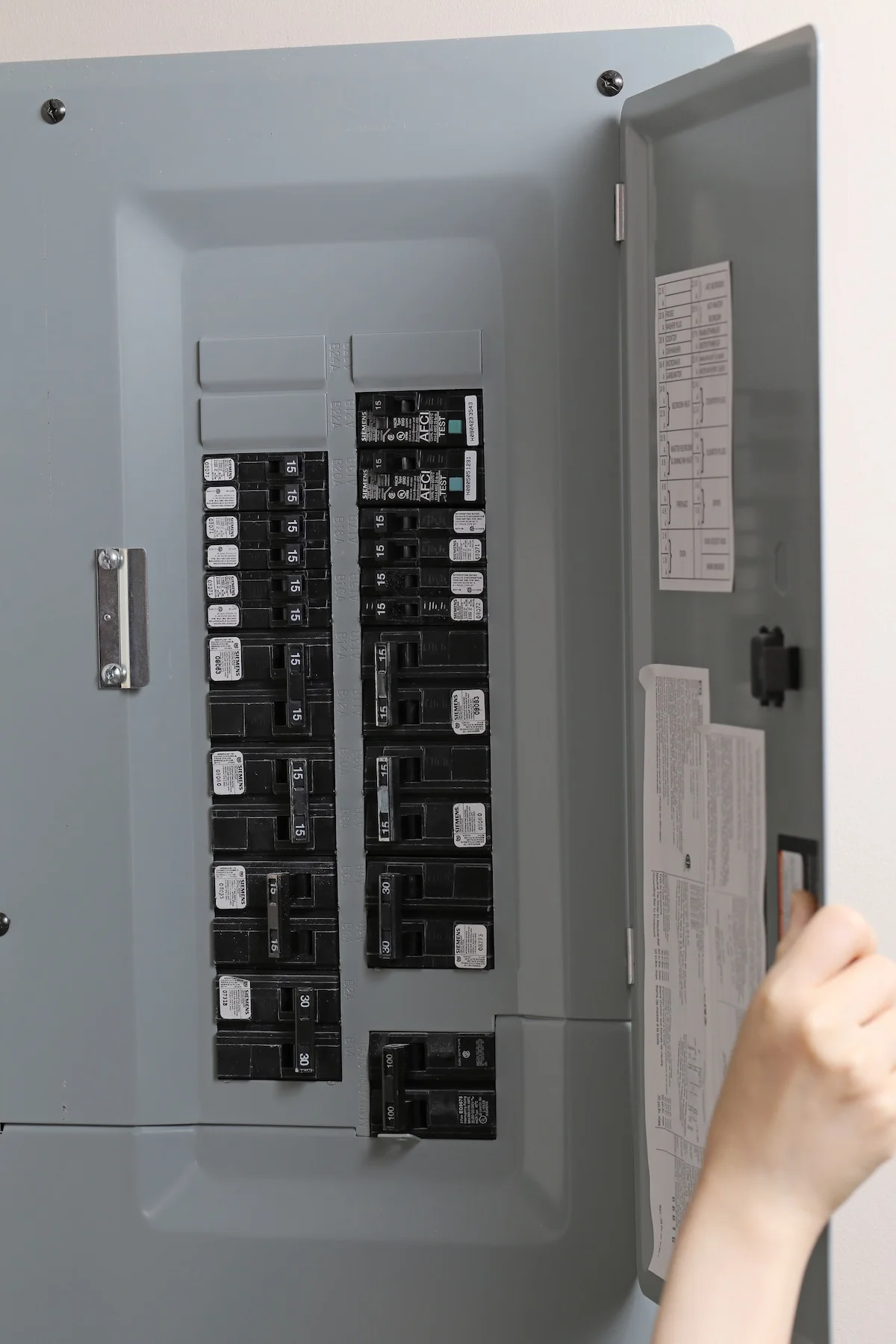
Open the panel door, or have your electrician do it, and you’ll see rows of breakers. If every slot is full, if the panel has been patched together with add-ons over the years, or if there’s no space left for new circuits, that’s a sign you’ve outgrown it.
Some older panels also have unlabeled or mislabeled breakers, which makes it hard to know what controls what, especially in an emergency. Other common red flags include double-tapped breakers (two wires connected to a breaker designed for one) and visible rust or corrosion. Moisture and corrosion are especially relevant in Florida, where humidity and coastal air can take a toll on equipment over time.
A well-organized, properly sized panel is easier to service and safer to rely on. A crowded one is a sign it may be time for an upgrade.
7. Your Panel Is Simply Old
Age isn’t the only factor, but it matters. Most electrical panels are designed to last somewhere around 25 to 40 years, depending on the quality of the equipment, the environment, and how hard the system has been worked. Breakers wear out, connections loosen, and components degrade, and a panel that has been in service for decades is more likely to have problems than one that’s been recently updated.
If you don’t know how old your panel is, check the date on the panel label or the breakers, or ask a licensed electrician to identify it during a visit. If your home is 30 years old or more and the panel has never been looked at, it’s a good idea to schedule an evaluation even if everything seems fine. Many electrical problems don’t announce themselves until something goes wrong.
Why Waiting Can Cost You More
It’s tempting to put off panel work when the lights still turn on. But electrical problems tend to get more expensive, not less, the longer they’re ignored. A panel that’s overworked can wear out other parts of your system, damage sensitive electronics, and increase the risk of a fire.
There are practical reasons to act sooner, too:
- Insurance. Some insurers require updated equipment, and a panel with a known issue can complicate your coverage.
- Selling your home. Outdated panels are a frequent finding in home inspections and can slow down or complicate a sale.
- Future plans. If you’re thinking about an EV charger, a generator, a pool, or a remodel, upgrading the panel first gives you a solid foundation.
- Peace of mind. Knowing your system can handle what you ask of it is worth a lot.
What Happens When You Call an Electrician
If you recognize one or more of these signs, the first step is an evaluation. A licensed electrician will inspect your panel, assess its condition and capacity, check how your circuits are loaded, and walk you through what they find. You should come away with a clear explanation, not a sales pitch.
If an upgrade makes sense, the electrician will help you choose the right panel for your home. Modern options include smart panels, which offer features like real-time energy monitoring and room to grow as your needs change. Your electrician should also handle the permits and inspections that come with the work.
Whether your electrical panel needs a repair, a replacement, or just a clean bill of health, you’re better off knowing now than finding out during an emergency.
Get Your Electrical Panel Checked in Tarpon Springs
At Veterans Electric, we bring military discipline and honest communication to every job. Our licensed electricians serve Tarpon Springs and the greater Tampa Bay area. We’ll give you a straightforward answer about what your panel needs, with clear, upfront estimates and no surprise fees.
If any of these warning signs sound familiar, learn more about our electrical panel upgrade services or call us. We’re available 24/7, and we’re ready to help you make sure your home’s power is safe, reliable, and ready for whatever comes next.


