


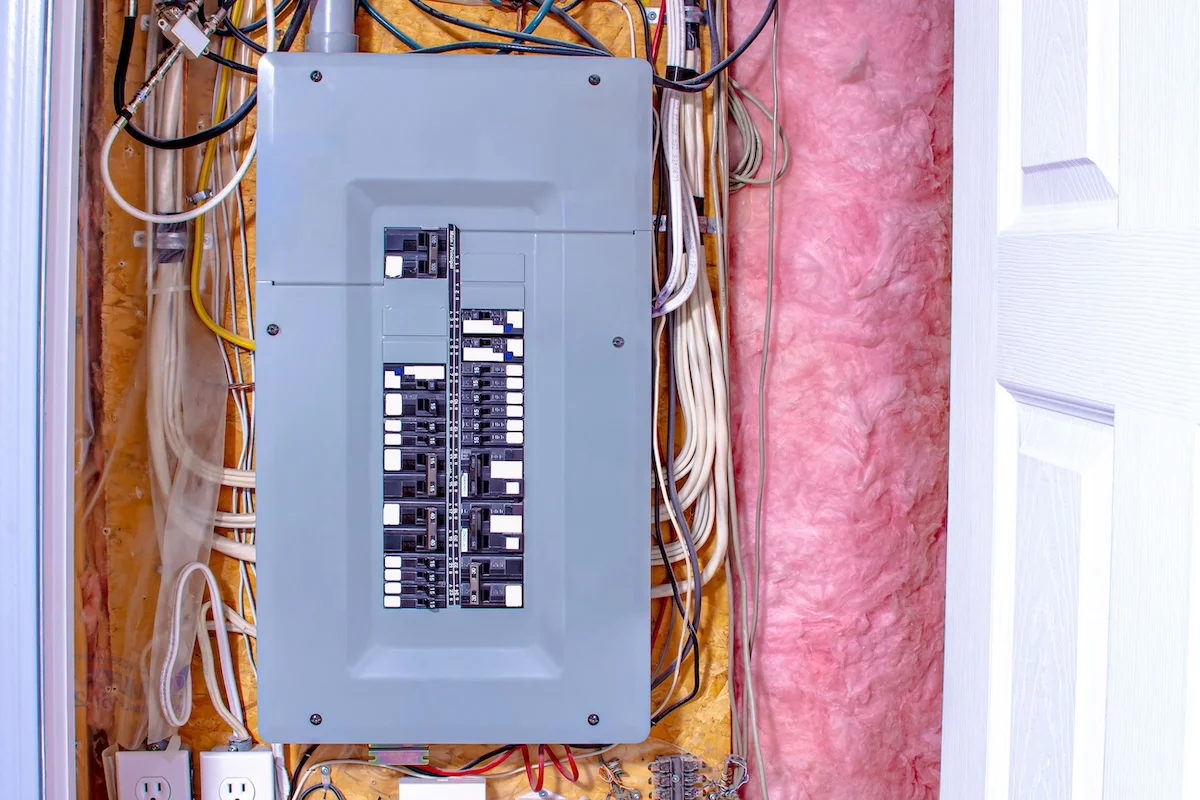
Your electrical panel is the heart of your home’s electrical system. Every circuit, every outlet, every appliance traces back to it. Yet it’s one of the most overlooked parts of a home. It’s tucked away in a garage or utility closet, easy to forget about until something goes wrong. Is it possible you need an electrical panel upgrade?
Many homes throughout Tarpon Springs and the surrounding Tampa Bay area were built decades ago. Back then, the average household ran a handful of lights, a window AC unit, and maybe a television. Today’s homes run smart devices, multiple AC systems, electric vehicles, home offices, and a growing list of appliances that draw far more power than older panels were ever designed to handle.
If your panel hasn’t been evaluated in years, here are the signs it may be time for an upgrade. Don’t wait, that could cost you more than money.
1. Frequent Breaker Trips
An occasional tripped breaker isn’t necessarily a problem. Breakers are designed to trip when a circuit is overloaded, and that’s them doing their job. But if you find yourself resetting the same breaker over and over, especially when running everyday appliances like a microwave, hair dryer, or window AC, that’s a sign your panel isn’t keeping up with your home’s actual power demand.
Constant tripping is your panel’s way of telling you it’s maxed out. Ignoring it doesn’t make the underlying issue go away; it just means you’ll keep dealing with the inconvenience.
2. Your Home Still Has a Fuse Box
If your home still uses a fuse box instead of a modern circuit breaker panel, it’s likely decades overdue for an upgrade. Fuse boxes were standard in homes built before the 1960s, and many haven’t been touched since. Fuses have to be manually replaced every time they blow. They can’t handle the electrical demands of a modern household, and they’re a major red flag for home insurance companies. Some insurers won’t even write a policy on a home with an active fuse box.
If you’re not sure whether your home has a fuse box or a breaker panel, a quick inspection from a licensed electrician can tell you exactly what you’re working with and what your options are.
3. Flickering or Dimming Lights
We’ve covered this in more detail in a previous post, but it’s worth repeating here: flickering or dimming lights, especially when they happen throughout the house rather than in just one room, can point to a panel that’s struggling to distribute power evenly. This is especially true if the flickering coincides with larger appliances kicking on, like your AC unit or washing machine.
4. Burning Smell or Visible Scorching
Any burning smell coming from your panel, or visible scorch marks, discoloration, or melted areas around breakers, is a serious warning sign that should never be ignored. This typically indicates overheating, which happens when a panel is carrying more electrical load than it was built for. Overheating panels are one of the leading causes of house fires, and this is a situation where you should shut off power to the area if it’s safe to do so and call an electrician immediately.
5. Warm or Buzzing Panel
Your electrical panel should be cool to the touch and silent. If you notice warmth radiating from the panel or the cover, or you hear buzzing, crackling, or humming sounds coming from inside it, that’s not normal wear and tear. These are signs of loose connections, overloaded circuits, or components that are beginning to fail, and all of them warrant a professional evaluation as soon as possible.
6. Your Panel Is Rated Below 100 Amps
Most modern homes need at least 100 amps of service to run comfortably, and many households today benefit from 150 or 200 amp panels, especially if you have central AC, an electric water heater, a pool, or plans for an EV charger down the road. If your panel is rated for 60 amps, which was common in homes built before the 1960s, it’s almost certainly undersized for how your household uses electricity today.
An undersized panel doesn’t just mean inconvenience. It means your system is working harder than it should, which increases wear on your electrical components and raises the risk of overheating.
7. You’re Planning a Renovation or Adding Major Appliances
Kitchen remodels, home additions, hot tubs, workshops, home offices, and EV chargers all add new electrical demand to your home. If you’re planning any of these upgrades, it’s worth having your panel evaluated first. Adding new circuits to a panel that’s already near capacity isn’t just difficult, it can be genuinely unsafe. A panel upgrade completed before a renovation saves you from double the work (and double the cost) later.
8. Double-Tapped Breakers
A double-tapped breaker is when two wires are connected to a single breaker slot that was only designed for one. This is a common shortcut in older panels. Also in ones that have had circuits added over the years without a proper upgrade, and it’s a code violation in most cases. Double-tapped breakers can overheat and fail because they weren’t designed to carry the combined load. They’re the kind of hidden issue that often gets flagged during a home inspection or electrical safety inspection.
9. Your Panel Is a Federal Pacific, Zinsco, or Challenger Brand
Some panel brands manufactured decades ago have a well-documented history of failing to trip when they should. Which defeats the entire purpose of a breaker panel. Federal Pacific Electric (FPE), Zinsco, and Challenger panels are among the most commonly flagged brands by electricians and inspectors throughout Florida. If your home has one of these panels, it’s worth having it evaluated for a replacement.
10. You’re Buying or Selling a Home
If you’re in the process of buying or selling a home, an outdated or undersized panel can come up during an inspection. They can even become a point of negotiation, or in some cases, a requirement from the buyer’s insurance company before the policy can be written. Having your panel evaluated and upgraded ahead of time, whether you’re the buyer or the seller, can prevent delays and give everyone involved peace of mind.
Why Older Tarpon Springs Homes Are Especially at Risk
Tarpon Springs has no shortage of character-filled, established neighborhoods with homes built well before today’s electrical standards existed. That charm often comes with electrical systems that were never designed for modern living. Add in Florida’s heat, humidity, and heavy reliance on air conditioning, and older panels are put under even more strain.
If your home falls into this category, a proactive panel evaluation isn’t just about convenience. It’s about making sure your electrical system can safely keep up with how you actually live.
What Happens During a Panel Upgrade
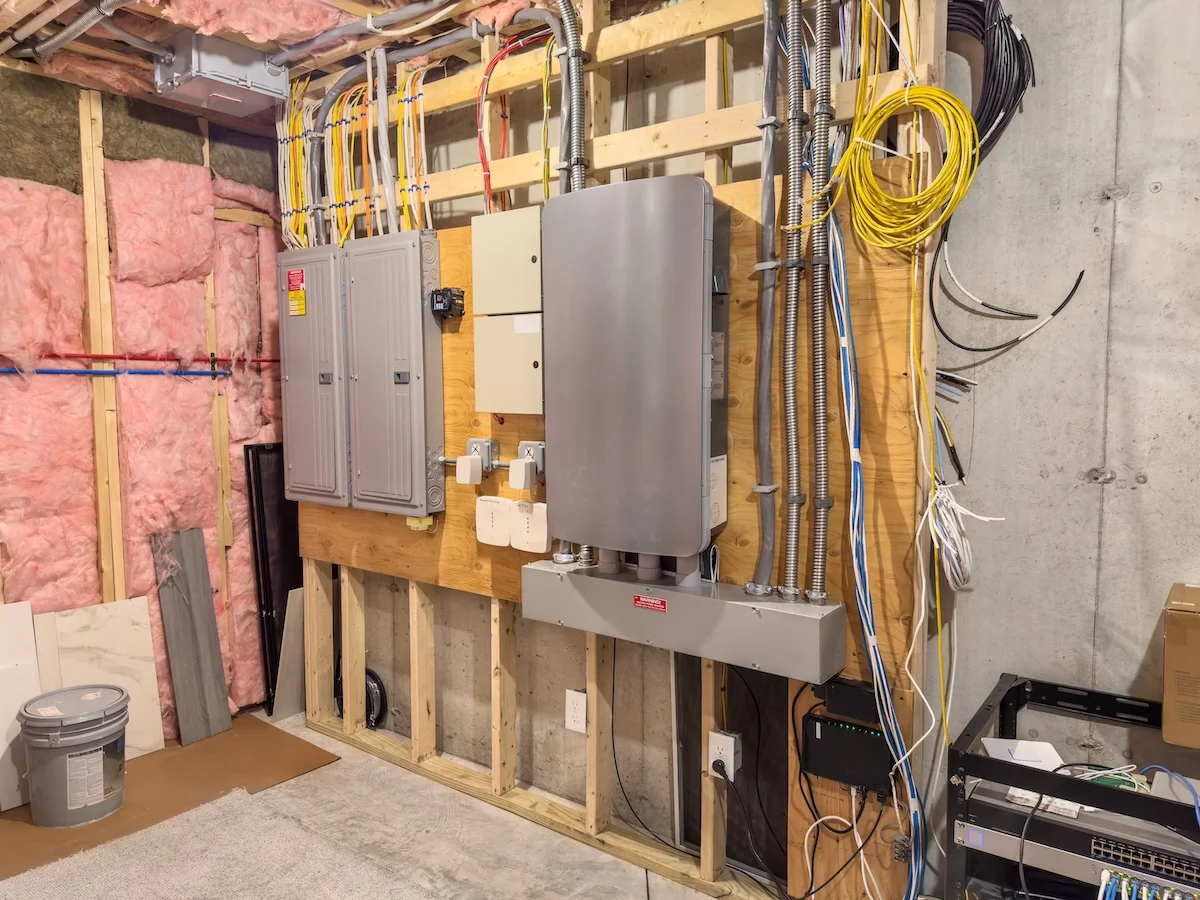
A panel upgrade typically involves replacing your existing panel with a new one rated for higher amperage. It also means updating the wiring and breakers connected to it to meet current electrical code. Depending on your home’s needs, this may also include upgrading your service line from the utility connection. A licensed electrician will evaluate your home’s total electrical load, walk you through your options, and make sure the new panel is sized correctly for both your current needs and any future plans, like an EV charger or a home addition.
Trust Veterans Electric with Your Panel Upgrade
At Veterans Electric, we bring military-grade discipline and honesty to every job we do. Whether it’s a full panel replacement or a straightforward inspection. Our licensed electricians proudly serve Tarpon Springs and the greater Tampa Bay area, and we’ll always give you a clear, upfront explanation of what your home needs and why.
If you’re noticing any of the warning signs above, or you’re simply not sure how old your panel is or what it’s rated for, don’t wait for a bigger problem to force the issue. Call Veterans Electric at (727) 387-8387 or schedule an appointment online, and let our team make sure your home’s electrical system is ready for whatever comes next.


